

Why Humanity Keeps Repeating Its Mistakes—And How Conscious Storytelling Can Transform Society

Updated: May 7
A reflection on consciousness, storytelling, and the future of humanity

Welcome back,
For many years, I’ve been reckoning with a question that feels more urgent than ever:
Why does humanity keep repeating the same patterns—despite everything we’ve learned?
This reflection grew out of that question, and out of the stories I’ve been developing about new ways of living, thinking, and relating to one another.
I hope it resonates with you.
—Angela
Looking back at the rise and fall of empires, we can detect a pattern. Here's my understanding:
Humanity doesn’t fail because it lacks knowledge—it fails because it doesn’t evolve its consciousness.
A society collapses: Roman, Greek, Persian, and all others.
Survivors rebuild over and over without changing the basic structures of society.
They promise: “This time will be different.” But history repeats itself over and over.
Humanity repeats the same patterns that drive it to war, genocide, injustice, insane rulers, and atrocities of all kinds.
“This isn’t just fiction. It’s history.”
We're living it!
Why does Humanity Repeat Itself?
Does humanity repeat itself because:
fear drives behavior?
systems are built from unconscious thinking?
people change structures, but not themselves?
“We rebuild the world without rebuilding the mind.”
What is missing in our societal structure?
is the Missing Piece Consciousness?
empathy
awareness
emotional intelligence
internal responsibility
peace education
If so, how do we create peace?
peace isn’t created by laws
peace isnt created by war
it’s created by people who understand themselves
it's built into our subconscious through our thoughts
What is the solution?
🎬 The Role of CONSCIOUS Storytelling
stories shape belief
belief shapes behavior
behavior shapes society
the stories we tell matter
Storytelling shapes the future
A New Type of Story:
CONSCIOUS STORYTELLING
societies built on consciousness
empathy instead of punishment
shared existence
humanism vs authoritarianism
common ground vs polarization
people first vs power over people
“In the stories I create, like Isabel III, Utopia, and Spiderwoman, I explore what happens when humanity chooses awareness instead of control…”
Real-World Application
listening instead of reacting
self-awareness before judgment
choosing empathy daily
understanding before accusing
listening vs telling and
“The future of humanity is not determined by technology or power, but by the level of consciousness we are willing to develop.”
“From Utopia to Reality: The Evolution of Peace Through Story”
“We rebuild the world by transforming the mind.”
“Peace is not enforced. It is practiced.”
“Stories don’t just reflect reality—they create it.”
Because right now people are:
overwhelmed
searching for meaning
questioning systems
expecting a holocaust
We must:
Break the Cycle:
How Storytelling evolves consciousnes and Changes Human Behavior
There is a story we have lived many times.
A society rises. It builds systems, structures, and beliefs meant to create order, safety, and progress. For a while, it works. People feel secure. There is movement, innovation, and growth.
Then slowly—almost invisibly—something shifts.
Fear enters. Division grows. Power concentrates. The systems meant to protect begin to control.
And eventually, the society collapses under the weight of the very structures it created.
The survivors, if there are any, gather what remains and say:
“This time will be different.”
And yet—again and again—it is not.
This is not just fiction. This is history.
Human history is full of societies that rose, flourished, and then collapsed—often for reasons that directly connect to the themes you’re exploring in your work. What’s especially interesting is that collapse is rarely caused by just one factor. It’s usually a combination of environmental, social, political, and psychological breakdowns.
Here are some of the most important examples, along with what led to their decline:
MAJOR HISTORICAL SOCIAL COLLAPSES
🏛️ Roman Empire (Western)
Collapse: ~476 CE
What happened:
political corruption
economic instability
overexpansion
reliance on slave labor
military pressure from outside groups
Key insight:
A powerful system weakened internally before it fell externally.
🏺 Maya Civilization
Collapse: ~800–900 CE (Classic Maya)
What happened:
environmental degradation (deforestation, drought)
warfare between city-states
overpopulation
resource depletion
Key insight:
Ecological imbalance + internal conflict =
collapse
🗿 Easter Island (Rapa Nui)
Collapse: ~1600s
What happened:
massive deforestation
overuse of natural resources
social breakdown
Key insight:
A society can destroy its own environment—and itself with it.
🏜️ Mesopotamian Civilizations (Sumer, Akkad)
Collapse: ~2000 BCE (various phases)
What happened:
soil salinization (over-farming ruined land)
climate shifts
political instability
Key insight:
Technological progress without sustainability leads to decline
🏯 Ancient Egypt (Old & New Kingdom collapses)
Collapse periods: multiple (e.g., ~2200 BCE, ~1070 BCE)
What happened:
Drought and famine
Weakened central authority
Social unrest and repression
Key insight:
When trust in leadership collapses, society fragments
🏹 Ancestral Puebloans (Chaco Canyon)
Collapse: ~1300 CE
What happened:
prolonged drought
resource scarcity
migration
Key insight:
Environmental stress forces societal reorganization or abandonment
🏔️ Inca Empire
Collapse: 1500s (Spanish conquest)
What happened:
civil war
disease (smallpox)
external invasion
Key insight:
Internal instability makes societies vulnerable to outside forces
⚔️ Viking Greenland Settlements
Collapse: ~1400s
What happened:
climate change (Little Ice Age)
refusal to adapt (kept European farming practices)
isolation
Key insight:
Failure to adapt culturally can be fatal
🏙️ Indus Valley Civilization
Collapse: ~1900 BCE
What happened:
changing river patterns
environmental shifts
gradual decline, not sudden
Key insight:
Collapse can be slow and subtle, not always dramatic
COMMON PATTERNS OF COLLAPSE
Across all these societies, we see repeating themes:
1. Environmental Mismanagement
deforestation
water misuse
soil depletion
2. Inequality & Power Imbalance
elites vs population
concentration of resources
3. Loss of Social Cohesion
distrust
fragmentation
conflict
4. Failure to Adapt
clinging to old systems
ignoring warning signs
5. External Pressure (secondary, not primary)
invasion
migration
disease
But most SOCIETAL collapses start internally first
Humanity doesn’t collapse because it lacks knowledge—it collapses because it fails to adapt its behavior and consciousness.
Utopia vs empire/Kingdom
Utopia → adapts internally
Kingdom → rebuilds externally
Examples:
Vikings (refusal to adapt)
Rome (internal decay)
Maya (resource + conflict)
Every civilization that has fallen believed it would not.
collapse is not new—
but how is SOCIAL transformation possible?
We Rebuild the World—But Not the Mind
The question is not whether humanity has enough knowledge.
We do.
We understand technology, science, governance, economics, and even psychology better than ever before. And yet, conflict persists. Inequality persists. Suffering persists.
Why?
Because while we rebuild systems, we do not rebuild ourselves.
We change governments but keep the same fears.
We redesign economies but keep the same desires for control.
We create new rules without transforming the consciousness that created the old ones.
And so, the same patterns return in new forms.
We rebuild the world—without rebuilding the mind.
Peace is not created by laws but by education
Laws can regulate behavior, but they cannot transform intention.
They cannot dissolve fear, heal trauma, or cultivate empathy.
They can only respond to outcomes, not origins.What humanity has often overlooked is that the root of conflict is not external—it is internal.
Fear becomes control.
Insecurity becomes domination.
Separation becomes competition.
Until these are addressed at the level of consciousness, no system—no matter how well designed—can sustain peace.
A new way of living does not begin with new structures. It begins with new awareness.
Consciousness is the ability to observe our thoughts, understand our emotions, and choose our actions intentionally rather than reactively. It is the foundation of empathy, honesty, and responsibility.
Without it, even the best ideas can become distorted.
With it, even the simplest systems can thrive.
The Power of Storytelling
This is where storytelling becomes essential.
Stories are not just entertainment. They are instruction.
They shape how we understand the world, how we see each other, and what we believe is possible.
For generations, many of our dominant stories have been rooted in:
conflict as the primary driver
power as the ultimate goal
survival through domination
And so, we have built a world that reflects those narratives.
But what if we told different stories?
What if we imagined societies not built on fear, but on awareness?Not on control, but on cooperation?Not on punishment, but on understanding?
Storytelling gives us a space to explore these possibilities before they exist in reality.
It allows us to rehearse a different future.
A New Kind of Story
In the stories I create, I explore what happens when humanity makes a different choice—not outwardly, but inwardly.
What happens when people are taught from childhood to understand their thoughts and emotions?
What happens when empathy is practiced daily, not just spoken about?
What happens when a society chooses to remove punishment and instead focuses on restoration and care?
In such a world, something remarkable begins to occur.
People do not become perfect. They become aware.
Conflict still arises—but it is met with understanding rather than reaction. Emotions are not suppressed—they are processed. Differences are not feared—they are explored.
And over time, something deeper emerges:
A natural state of peace.
Not enforced. Not controlled. But lived.
My concept is actually quite unique because it blends:
post-apocalyptic rebirth
consciousness evolution
utopian society without hierarchy
parallel biological evolution (Spider lineage)
That said, there are comparable stories that touch parts of what I'm doing. A BOOK AND SCREENPLAY
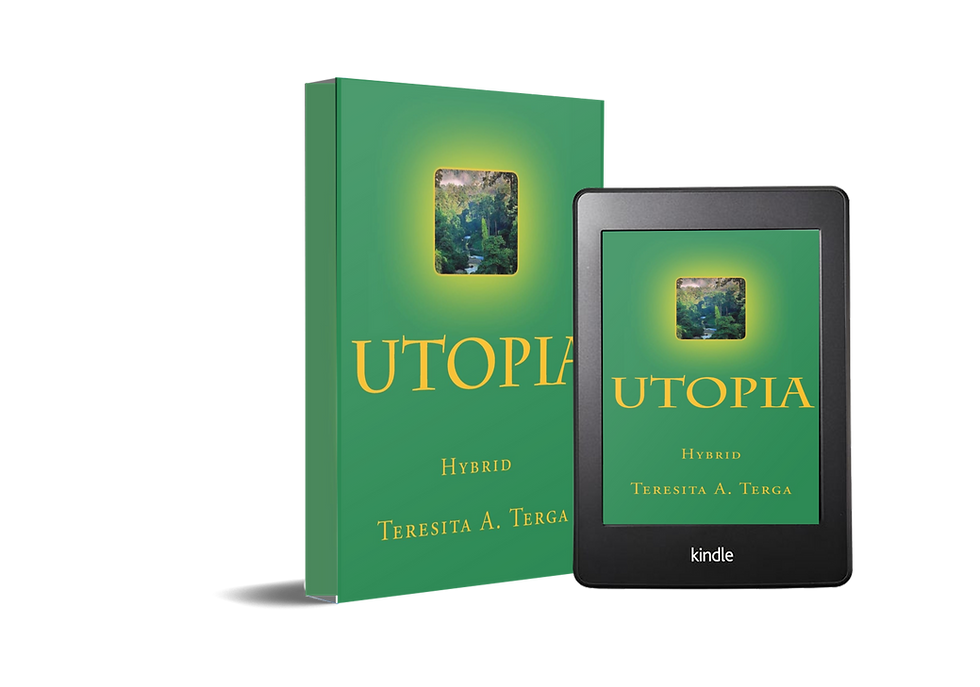
STORIES CLOSEST TO UTOPIA BY T.A. TERGA'S VISION
🎬 Avatar

Why it’s similar:
Nature as intelligent system
Spiritual + biological connection
Non-hierarchical society (Na’vi)
Contrast with the destructive human system
Closest match to my Utopian ecological + consciousness integration
📚 The Dispossessed by Ursula K. Le Guin
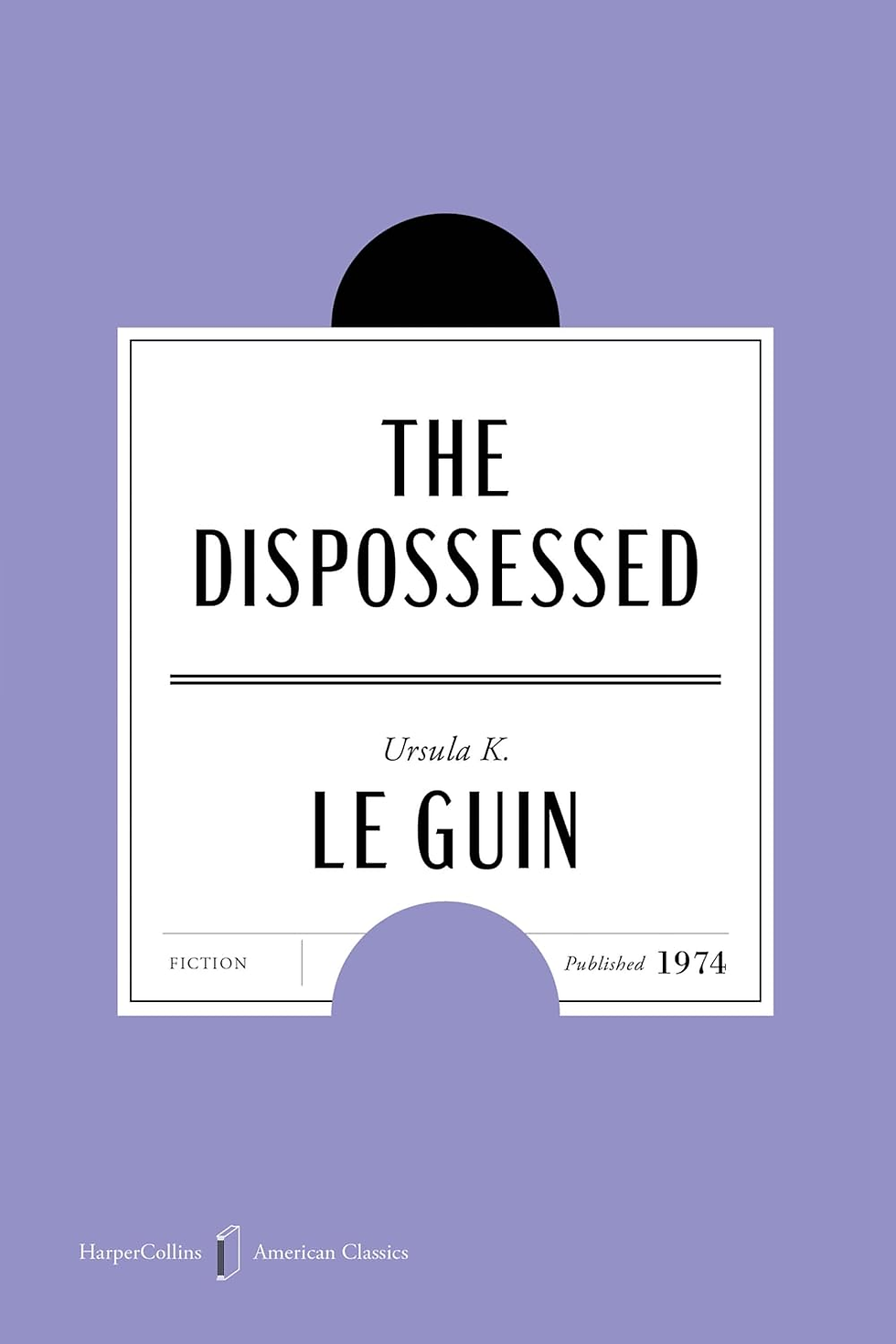
Why it’s similar:
society without ownership
no traditional government
explores whether utopia can function
Closest match to UTOPIA: no hierarchy / shared existence system
🎬 The Matrix
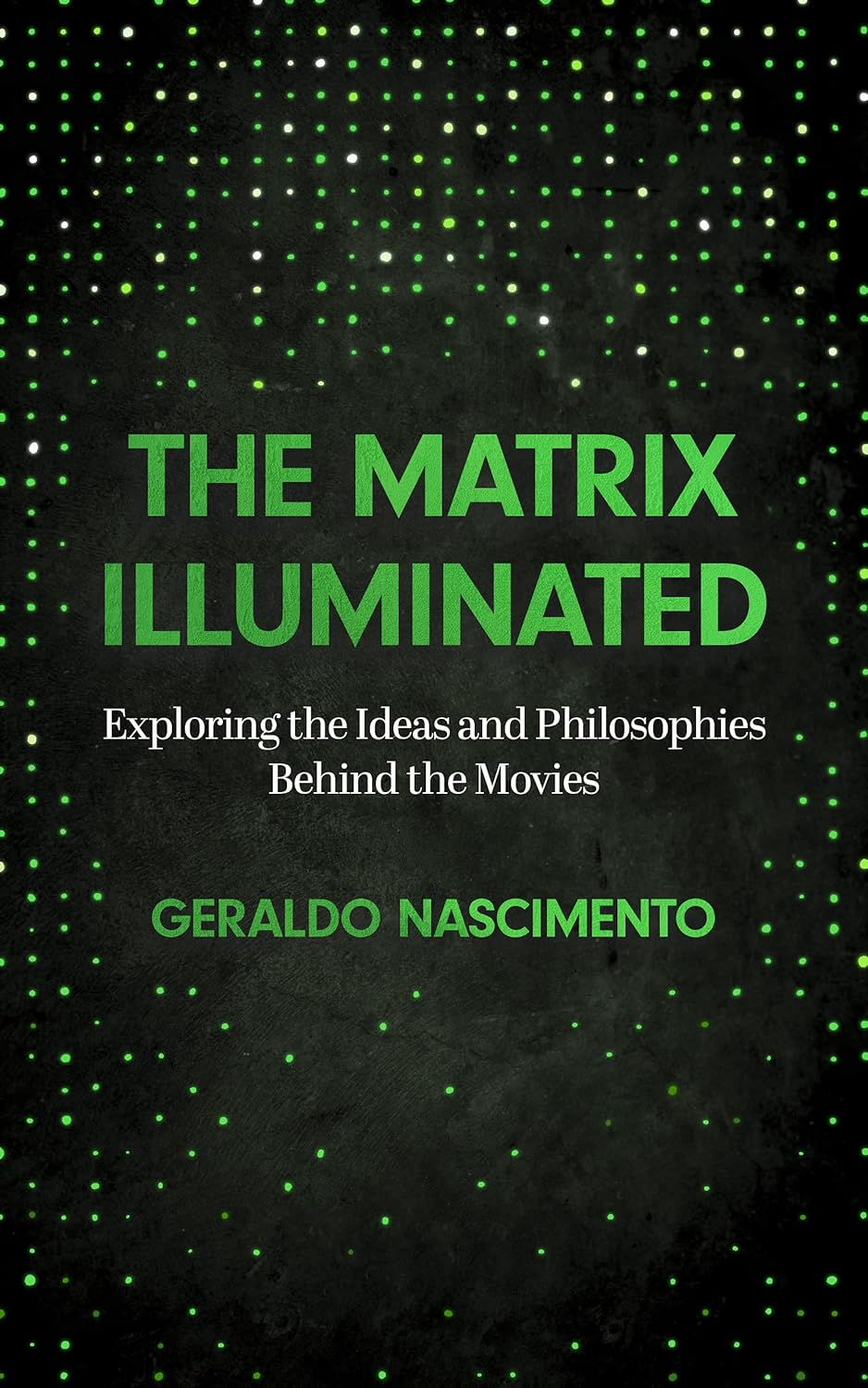
Why it’s similar:
mind as the true source of power
training consciousness
hidden reality vs perceived reality
Matches THE UTOPIAN'S mental evolution + training system
📚 Parable of the Sower by Octavia Butler
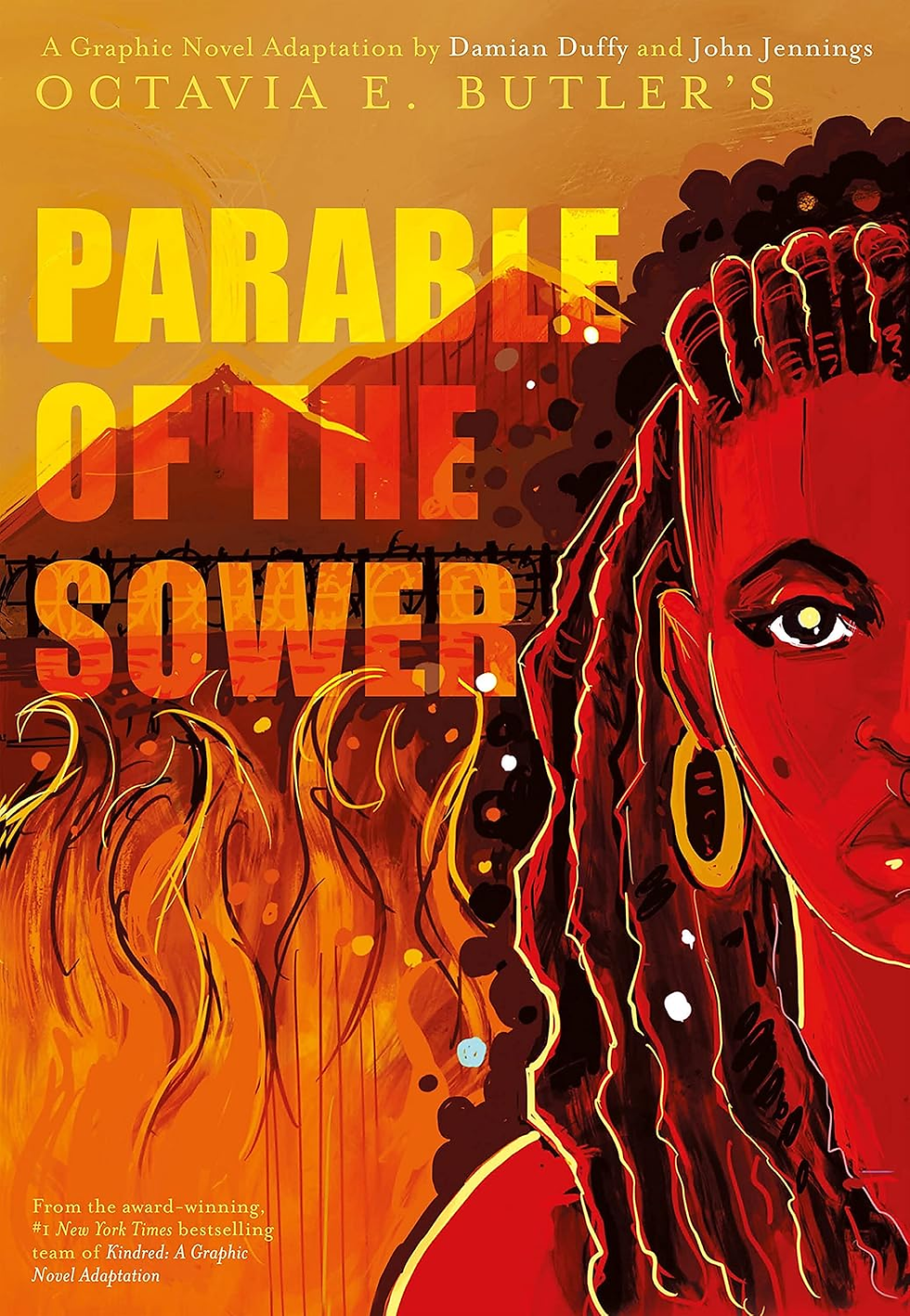
Why it’s similar:
collapse of society
rebuilding with a new philosophy
focus on belief systems shaping the future
Closest to the Utopian's Magna Carta + conscious rebuilding
🎬 Nausicaä of the Valley of the Wind

Why it’s similar:
toxic/post-apocalyptic ecosystem
nature as healing intelligence
protagonist with higher awareness
Very close to Utopia's plant-based + ecological consciousness system
🌌 STORIES ABOUT CONSCIOUSNESS EVOLUTION
🎬 Lucy

Why it’s similar:
unlocking human potential
evolution beyond normal limits
Matches Utopia's superhuman development idea
📚 Childhood’s End by Arthur C. Clarke
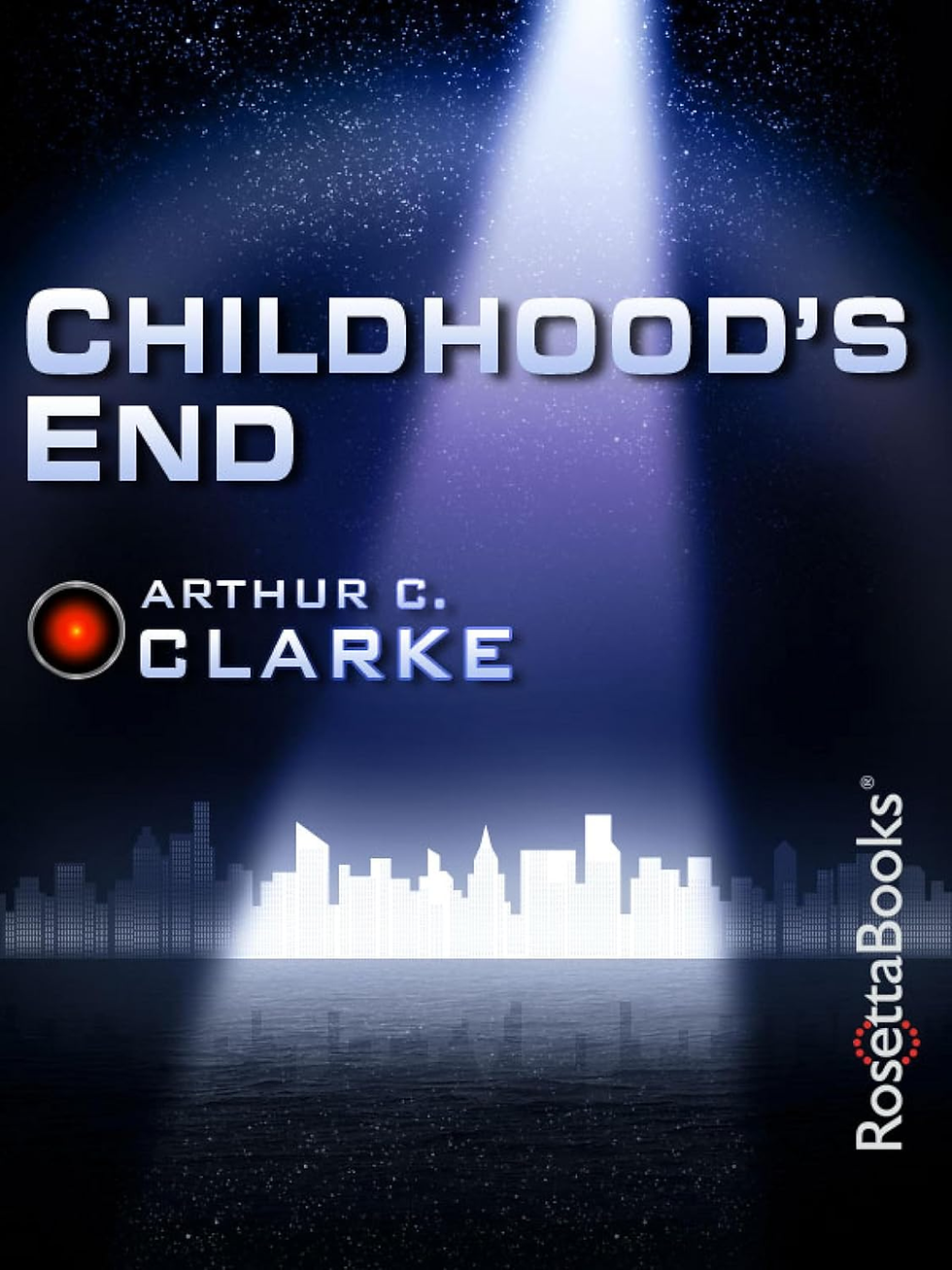
Why it’s similar:
humanity evolves into a new form
loss of individuality → collective consciousness
Similar to Utopia's final species evolution arc
🧬 STORIES WITH MUTATION / HYBRID EVOLUTION
🎬 X-Men
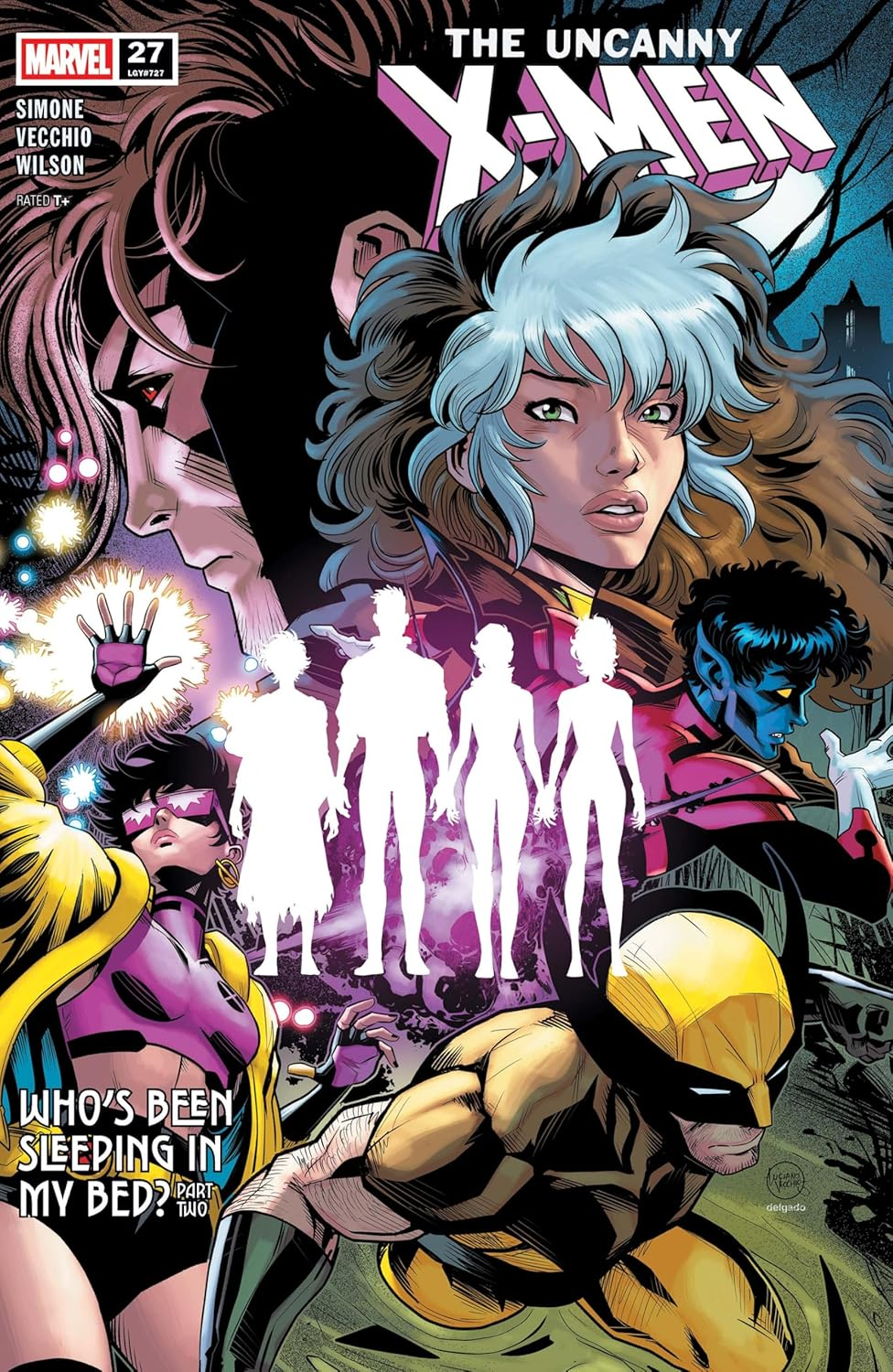
Why it’s similar:
mutation as next stage of humanity
fear vs acceptance
Connects to your Spider lineage evolution
🎬 Annihilation

Why it’s similar:
biology + environment merging
transformation beyond human norms
Very close to Utopia's hybrid species + ecosystem fusion
WHAT MAKES UTOPIA by T.A. Terga DIFFERENT
Most of these stories explore one path:
mind evolution (Matrix)
ecological harmony (Avatar)
mutation (X-Men)
UTOPIA's story does something rare:
UTOPIA combine's ALL THREE:
Consciousness evolution (Utopia)
Biological evolution (Spider lineage)
Failed repetition (Kingdom society)
AND THEN:
They merge into a new species
Utopia's UNIQUE POSITIONING Story
“A speculative saga that combines the ecological spirituality of Avatar, the philosophical depth of Dune, and the evolutionary themes of X-Men, while introducing a dual-path evolution of humanity that ultimately converges into a new species.”
Bringing It Back to UTOPIA'S World
This is not just a fictional idea. It is a reflection of what is possible, even now.
We may not live in a fully conscious society, but we can begin with ourselves.
We can pause before reacting.
We can listen instead of assuming.
We can take responsibility for our emotional state.
We can choose empathy, even when it is difficult.
These are small acts—but they are foundational.
Because every system we create is a reflection of the people within it.
If we want a different world, we must become different within it.
The Future Is an Inner Evolution OF HUMANITY
The future of humanity will not be determined solely by technology, innovation, or external progress.
It will be determined by our willingness to evolve internally.
To become more aware. More compassionate.More responsible for our thoughts, actions, and impact.
We do not need to wait for a new world to be built.
We are building it every day—through the way we think, the way we relate, and the way we choose to live.
And perhaps the most important story we can tell is this:
Humanity does not fail because it lacks knowledge. It fails because it refuses to evolve its consciousness.
But if we choose differently—If we begin to understand ourselves more deeply—
Then the cycle can change.
And a new story can begin.
FINALLY, CONSIDER PRACTICING PEACE WITH SIMPLE MENTAL AND BEHAVIORAL CHANGE WITH KEYWORDS FOR PEACE - 15 KEYWORDS THAT WILL CREATE AWARENESS OF YOUR THOUGHTS AND THE OPPORTUNITY TO UNDERSTAND THAT WHEN YOU LACK EMPATHY ABOUT THE WAR AND THE PEOPLE IT HURTS YOU ARE PREVENTING CONSCIOUS EVOLUTION
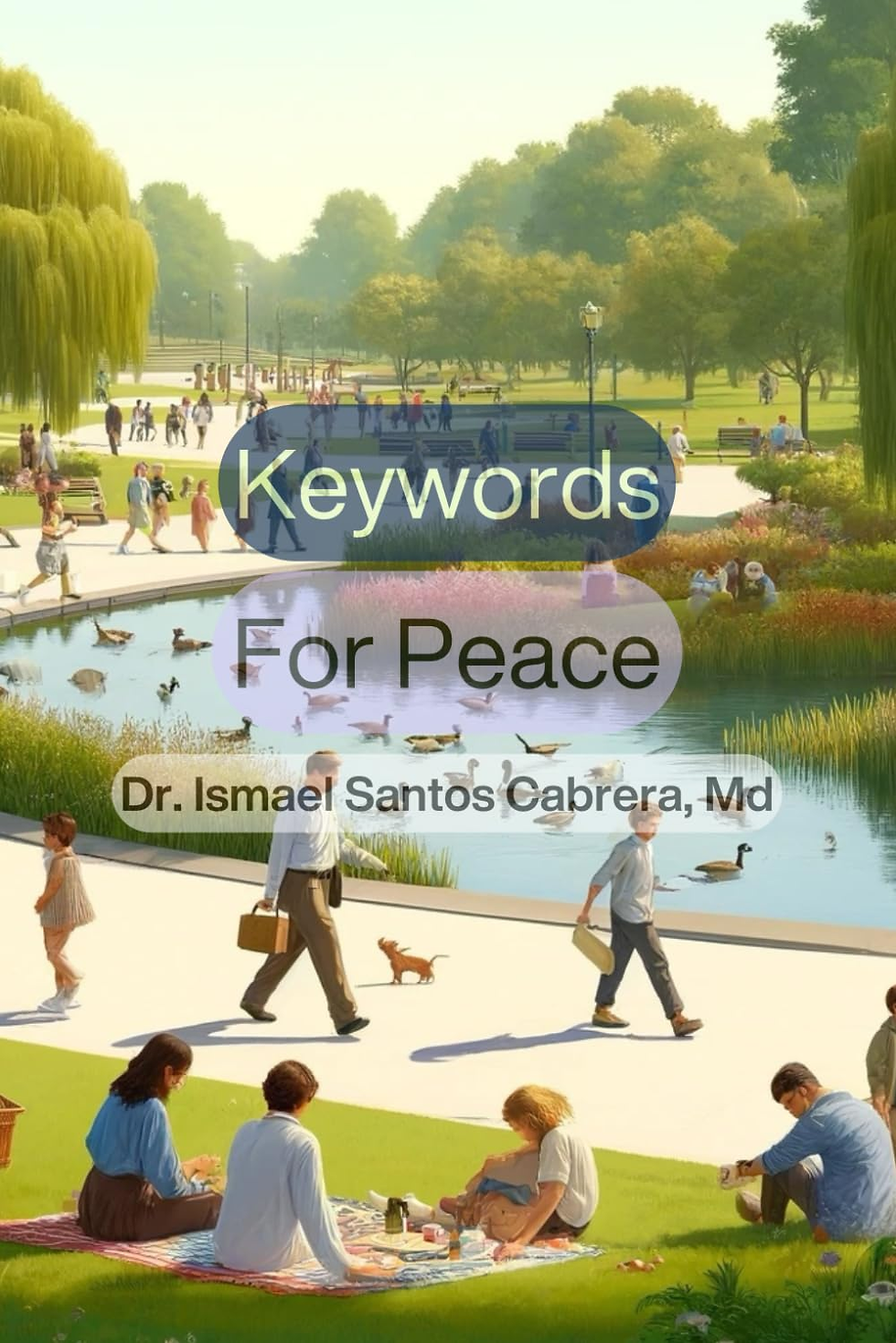
If this piece spoke to you, I invite you to share it, reflect on it, or simply sit with it.
These ideas are not just theoretical—they are practices we can begin in small, everyday ways.
And if you’re interested in stories that explore these themes more deeply, I’ll be sharing more about my current work soon.
Stay connected.


Comments